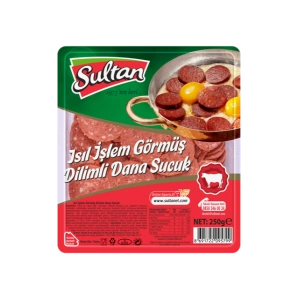


What Does Sucuk Mean?
Date: 08.03.2022 17:24

Sucuk is a food obtained by stuffing minced meat blended with special spices into an inflated and dried intestine and fermenting it. Sucuk is a food frequently consumed mainly in Armenia, Bulgaria, and Turkey. It is thought to have come to our tables from Central Asia and is widely loved by everyone.
Sucuk, which can be described as one of the oldest processed food products, comes in varieties such as Kangal, Baton, Parmak, and Varyanta. It has also been named separately according to its intended use. Depending on the production method, it may also be referred to as heat-treated sucuk or fermented sucuk.
In our country, producers manufacture two different types of sucuk. These are referred to by the Turkish Standards Institution as fermented sucuk (Turkish Sucuk) and a heat-treated sucuk-like product (sucuk-like meat product—heat-treated).
When the history of sucuk is examined, it is not possible to give a definite date. After pastırma, the most frequently asked question concerns when sucuk emerged and who invented it, although there is no known definitive location.
Although the exact origin of sucuk is unknown, Kayseri is regarded as the birthplace of this food. Kayseri, which has been producing sucuk—flavored by the breezes of Mount Erciyes—for hundreds of years, may be considered the homeland of sucuk.
This flavor, which has survived from Central Asia to the present day, emerged through the natural fermentation of meat. Sucuk was formed by allowing meat and spices to rest for a period of time, and it has continued to exist to the present day.
In ancient times, consuming meat before it spoiled was quite difficult. According to what is known, workers in the fields would blend meat with plenty of spices before consuming it. This delayed spoilage and gave the meat a very pleasant flavor. However, a means was also needed to prevent the meat from being exposed to air. After many methods were tried, it was discovered that meat stuffed into intestines fermented and matured without spoiling.
Sucuk was discovered by bringing meat, spices, and intestines together. However, the origin of the word “sucuk” is also not known exactly, and the question of who first called this food sucuk remains a subject of debate.
Sucuk is a food with a long shelf life. This food, which has a unique flavor and aroma, is prepared differently in some regions. Manufacturers also produce and offer various types of sucuk.
Although sucuk made from the meat of cattle is known to be more flavorful, it can also be made from poultry. This food, which contains substantial amounts of fat, salt, and spices, is categorized into various types.
Producers may increase the variety of sucuk. For example, barbecue sucuk is another type of sucuk specially prepared for cooking on a barbecue.
Sucuk is also named separately according to its water content.
Sucuk is generally used grilled, together with eggs, in toast and sandwiches, or in snacks such as pizza. In addition, it is added to white bean dishes to enhance their flavor and is enjoyed by many people.
It can frequently be consumed at every meal throughout the day, especially at breakfast. It is enjoyed and eaten not only in our country but also in many other regions. In addition to being consumed in the Balkans, sucuk is an important food source in Central Asian and Middle Eastern countries. It is also very popular and frequently consumed in Bulgaria. In fact, raw sucuk is sliced and served as an appetizer alongside rakı.
Sucuk is a fermented food product. Therefore, it should be considered among the benefits of fermented foods. Researchers have demonstrated over time that consuming fermented products offers countless health benefits. A strong immune system means that our health will also be protected. A weakened immune system invites many diseases and facilitates the development of chronic conditions. It is known that the immune system depends on the intestinal flora by approximately 70–80%. Fermented foods help increase beneficial bacteria in our digestive system and consequently strengthen our immune system.
Consuming fermented foods helps maintain the balance of beneficial bacteria in the intestinal flora and protects the body against diseases to a significant extent. For this reason, physicians recommend consuming fermented foods, particularly in the context of many illnesses.
Fermented foods also help increase the natural prebiotics found in our digestive system. The benefits of prebiotics for human health include the following:
In general, the benefits of fermented foods are as follows:
Sucuk has always been a food enjoyed and consumed throughout history. It holds an undeniably important place in our cuisine. In addition to being delicious, easy to consume, and enhancing the quality of our meals, it also offers many health-related benefits.
When processed foods are consumed frequently, they may also have harmful effects on the body. Sucuk is ultimately a processed food. However, when consumed in moderation, sucuk has no known harmful effects on health. If you do not have a specific condition that requires you to avoid sucuk and do not suffer from cholesterol or blood pressure problems, you can consume this food with peace of mind and enjoy its numerous benefits.
Traditional Turkish Sucuk, as defined in the TS 1070 Turkish Standard, is a food produced by mincing meat and fat in a meat grinder or cutter, blending them with various spices, subsequently adding salt and additives, and filling the resulting mixture into natural or artificial casings.The mixture filled into these casings is matured under suitable conditions (at a specific temperature and appropriate relative humidity), and these processes produce sucuk. Sucuk is the form that meat takes after undergoing a series of processes.
Sucuk, which can be described as one of the oldest processed food products, comes in varieties such as Kangal, Baton, Parmak, and Varyanta. It has also been named separately according to its intended use. Depending on the production method, it may also be referred to as heat-treated sucuk or fermented sucuk.
In our country, producers manufacture two different types of sucuk. These are referred to by the Turkish Standards Institution as fermented sucuk (Turkish Sucuk) and a heat-treated sucuk-like product (sucuk-like meat product—heat-treated).
The History of Sucuk
When the history of sucuk is examined, it is not possible to give a definite date. After pastırma, the most frequently asked question concerns when sucuk emerged and who invented it, although there is no known definitive location.
Although the exact origin of sucuk is unknown, Kayseri is regarded as the birthplace of this food. Kayseri, which has been producing sucuk—flavored by the breezes of Mount Erciyes—for hundreds of years, may be considered the homeland of sucuk.
This flavor, which has survived from Central Asia to the present day, emerged through the natural fermentation of meat. Sucuk was formed by allowing meat and spices to rest for a period of time, and it has continued to exist to the present day.
In ancient times, consuming meat before it spoiled was quite difficult. According to what is known, workers in the fields would blend meat with plenty of spices before consuming it. This delayed spoilage and gave the meat a very pleasant flavor. However, a means was also needed to prevent the meat from being exposed to air. After many methods were tried, it was discovered that meat stuffed into intestines fermented and matured without spoiling.
Sucuk was discovered by bringing meat, spices, and intestines together. However, the origin of the word “sucuk” is also not known exactly, and the question of who first called this food sucuk remains a subject of debate.
What Are the Varieties of Sucuk?
Sucuk is a food with a long shelf life. This food, which has a unique flavor and aroma, is prepared differently in some regions. Manufacturers also produce and offer various types of sucuk.
Although sucuk made from the meat of cattle is known to be more flavorful, it can also be made from poultry. This food, which contains substantial amounts of fat, salt, and spices, is categorized into various types.
- Kangal sucuk: A variety produced from beef and mutton. After the sucuk mixture is filled into the casings, the two ends are tied together.
- Baton sucuk: A type of sucuk made from beef and mutton and given an elongated shape.
- Parmak sucuk: A type of sucuk made from beef and mutton and shaped into small finger-like portions.
- Varyanta sucuk: Known to be unique to Kayseri, this variety has a distinctive flavor enriched with special spices.
Producers may increase the variety of sucuk. For example, barbecue sucuk is another type of sucuk specially prepared for cooking on a barbecue.
Sucuk is also named separately according to its water content.
- Fully dry sucuk: Contains between 30% and 35% water.
- Semi-dry sucuk: Contains between 40% and 50% water.
- Lightly dry sucuk: Contains more than 50% water.
What Are the Benefits of Sucuk?
Sucuk is generally used grilled, together with eggs, in toast and sandwiches, or in snacks such as pizza. In addition, it is added to white bean dishes to enhance their flavor and is enjoyed by many people.
It can frequently be consumed at every meal throughout the day, especially at breakfast. It is enjoyed and eaten not only in our country but also in many other regions. In addition to being consumed in the Balkans, sucuk is an important food source in Central Asian and Middle Eastern countries. It is also very popular and frequently consumed in Bulgaria. In fact, raw sucuk is sliced and served as an appetizer alongside rakı.
So, what are the benefits of sucuk, which is enjoyed and consumed by society?
Sucuk is a fermented food product. Therefore, it should be considered among the benefits of fermented foods. Researchers have demonstrated over time that consuming fermented products offers countless health benefits. A strong immune system means that our health will also be protected. A weakened immune system invites many diseases and facilitates the development of chronic conditions. It is known that the immune system depends on the intestinal flora by approximately 70–80%. Fermented foods help increase beneficial bacteria in our digestive system and consequently strengthen our immune system.
Consuming fermented foods helps maintain the balance of beneficial bacteria in the intestinal flora and protects the body against diseases to a significant extent. For this reason, physicians recommend consuming fermented foods, particularly in the context of many illnesses.
Fermented foods also help increase the natural prebiotics found in our digestive system. The benefits of prebiotics for human health include the following:
- Probiotics are very important for intestinal health,
- They strengthen the immune system,
- They increase the bioavailability of nutrients obtained from food,
- Symptoms of lactose intolerance are less likely to occur,
- They help protect against the development and spread of cancer.
In general, the benefits of fermented foods are as follows:
- They improve and protect digestion,
- They have a protective effect against cancer,
- They provide protection against Helicobacter pylori infection,
- They increase the nutritional value obtained from foods,
- They facilitate the digestion of lactose,
- They prevent fatty liver,
- They help treat inflammatory bowel diseases,
- They protect intestinal health.
Sucuk has always been a food enjoyed and consumed throughout history. It holds an undeniably important place in our cuisine. In addition to being delicious, easy to consume, and enhancing the quality of our meals, it also offers many health-related benefits.
- Sucuk is dried using natural methods; therefore, it contains all the benefits resulting from fermentation,
- Sucuk helps protect intestinal health,
- The spices contained in sucuk are also beneficial for the immune system,
- Vitamins A, B, B6, B12, E, D, and C are beneficial for our bodies,
- It supports brain functions,
- It keeps the body mentally and physically fit,
- It supports hair health,
- It supports cell renewal,
- It protects against diseases,
- Sucuk enhances the benefits of meat.
- It facilitates the intake of beneficial probiotics for the body.
Are There Any Harms Associated with Sucuk?
When processed foods are consumed frequently, they may also have harmful effects on the body. Sucuk is ultimately a processed food. However, when consumed in moderation, sucuk has no known harmful effects on health. If you do not have a specific condition that requires you to avoid sucuk and do not suffer from cholesterol or blood pressure problems, you can consume this food with peace of mind and enjoy its numerous benefits.
Related Products