

How Is Pastırma Spice Paste Prepared?
Date: 08.03.2022 17:36
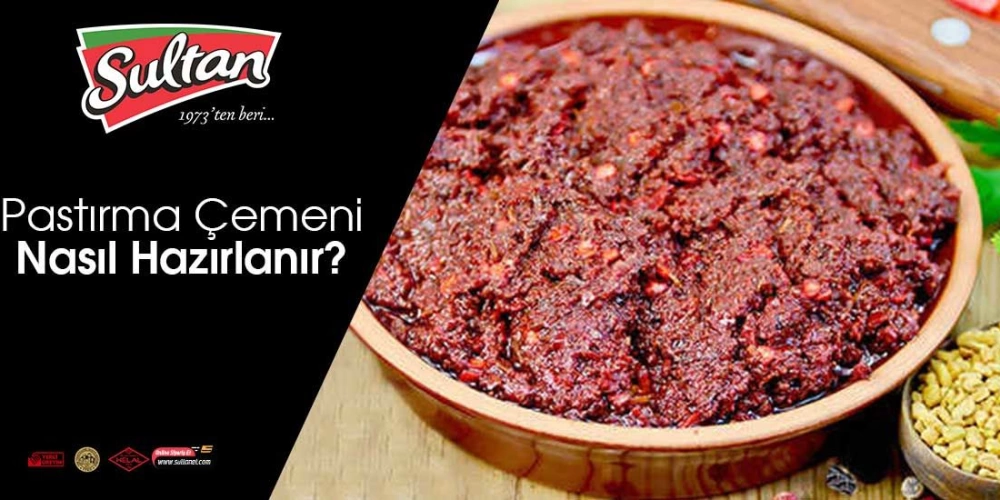
The sought-after star of breakfasts and pastries, and the indispensable ingredient that gives pastrami its flavor and pride of place on tables, is undoubtedly çemen. The leading ingredient in the most delicious recipes, adding considerable flavor to dishes, and even appearing in idioms, çemen is indispensable to pastrami, which has its own distinctive taste and aroma.
Pastrami is a food prepared by cutting the flavorful parts of large cattle and then subjecting them to a series of special processes. A food widely enjoyed in Turkish culture, pastrami is loved by everyone.The nutritional value of this food, produced using natural drying methods and served without additives, comes from the çemen it contains. Thanks to the nutritional values of çemen and dried meat, pastrami has become a source of health, and experts today particularly recommend consuming it in ideal amounts. The benefits of çemen also enhance the benefits of pastrami.
Çemen makes pastrami delicious. However, there are other reasons for adding çemen to pastrami. The name “pastrami” comes from its method of preparation. Researchers have reported that in the Divan-ı Lugat-it Türk, pastrami was called “yazok et,” meaning “eat it in summer,” but over time this food came to be known as pastrami. Because of the pressing process used during its preparation, the name “bastırma” later evolved into “pastırma” among the public. The most important ingredient that gives pastrami its flavor is çemen. So, how is pastrami çemen prepared? How should you prepare çemen for pastrami made at home? We have compiled the answers to all these questions in our article and prepared useful information about pastrami çemen.
Why Is Çemen Added to Pastrami?
The çemen-coating process is indispensable for pastrami. Çemen gives pastrami a distinctive appearance, flavor, and aroma, while also preventing the growth of microorganisms. For this reason, the meat must be coated with çemen. The most important purpose of coating pastrami with çemen is to protect it from external microorganisms.
In general, pastrami çemen is made by mixing certain spices until they reach a paste-like consistency.
- Pastrami çemen provides a coating and protective effect. Coating the meat with çemen prevents bacteria from contaminating it from the outside. It also protects against other pests.
- Pastrami çemen prevents the pastrami from drying out excessively,
- The garlic contained in pastrami çemen helps keep bacteria away,
- Coating pastrami with çemen cuts off its contact with air, thereby preventing spoilage and odor.
- Pastrami coated with çemen is always more delicious,
- Çemen is also what gives pastrami its distinctive color.
Benefits of Çemen
When çemen is mentioned, most of us first think of pastrami. However, we should also know that çemen is actually a herb. Fenugreek is just one of the hundreds of thousands of edible herbs grown in our country, and it has numerous benefits. Fenugreek holds a very important place in our traditional culinary culture.
Çemen is a plant used in the food industry all over the world, including its seeds, leaves, fruit, and stems. Fenugreek is used in the food industry to enhance flavor and extend the shelf life of products by protecting them from bacteria. This plant is used especially in the processing of meat products, in confectionery and ice cream production, and as a thickener in puddings and jellies.
In some countries, dishes are made from fenugreek leaves and consumed with great enjoyment.
So, what are the benefits of pastrami çemen?
- In ancient times, çemen was believed to have a courage-enhancing effect. In fact, people would eat çemen before going to war. Çemen kept people vigorous and made them more courageous.
- Çemen soothes the throat and relieves sore throats.
- Çemen strengthens the immune system.
- Çemen relieves stomach discomfort and helps a person feel better.
- Çemen stimulates the appetite. For children or adults with poor appetites, çemen is practically medicinal.
- Çemen is beneficial for anemia and greatly improves circulation.
- Çemen is a highly beneficial food in the fight against tuberculosis and is frequently recommended.
Harms of Çemen
- Excessive consumption of çemen may upset the stomach.
- If çemen made with hot spice mixtures is consumed, it should definitely be eaten plain. Otherwise, the stomach will be strained excessively.
- If çemen is used as an appetite stimulant, it should be consumed in moderation.
- If you already have a strong appetite, çemen may encourage you to eat more because it stimulates the appetite. Eating too much can lead to excessive fat accumulation.
- Elderly and ill individuals should not consume çemen in excessive amounts. Portion control is advisable.
- Since çemen is inherently an allergenic plant, excessive use may cause itching and redness. Therefore, portion control is necessary.
- Pregnant women must consult their doctors before using çemen and fenugreek; otherwise, unwanted health problems may occur.
- If you are undergoing obesity treatment, you should definitely avoid consuming çemen during treatment.
Pastrami Çemen Recipe
After meat, çemen is undoubtedly the most important ingredient in pastrami. You should begin preparing the çemen on the day you hang the meat to dry, and you must allow it to rest. After preparing the çemen according to the recipe, you should keep it in the refrigerator for 2 days.
If you let the çemen rest for two days, both its consistency and flavor will fully develop. This will make the pastrami more delicious. Therefore, you should not spread the çemen on the meat immediately after preparing it.
You should use your hands when spreading the çemen over the meat. If you apply the çemen with a kitchen utensil, it will not coat every part evenly. This may cause the pastrami to spoil or result in an uneven flavor.
When applying çemen to pastrami, you can wear unpowdered surgical gloves. This prevents the strong smell of çemen from transferring to your hands. If you apply çemen directly with your hands, its strong smell will permeate them and will not disappear for quite some time.
You should also frequently wet the glove you are wearing to apply the çemen. This will make it easier for the çemen to stick to the meat.
Applying two layers of çemen to the meat will make it more flavorful. Therefore, the pastrami çemen you prepare should be applied to the meat in two layers.
Ingredients for the Pastrami Çemen Recipe:
- •50 grams of flour (preferably barley flour; if unavailable, wheat flour)
- •12 grams of corn flour
- •12 grams of garlic purée
- •25 grams of sweet pepper powder
- •25 grams of çemen powder
- •1 teaspoon of cumin
- •1 level teaspoon of black pepper
- •One-quarter tea glass of vegetable oil
- •A small amount of lukewarm water
Kayseri Pastrami Çemen Recipe
Ingredients for the Kayseri Pastrami Çemen Recipe:
- 500 grams of garlic
- 500 grams of hot pepper powder,
- 3–4 tablespoons of çemen spice,
- 1 tablespoon of black pepper,
- 1 tablespoon of cumin,
- Salt
- Water
How to Make Kayseri Pastrami Çemen:
- Peel the garlic and purée it,
- Add the spices to the puréed garlic,
- Then add salt and lukewarm water and mix,
- Mix all the ingredients until they reach a homogeneous consistency,
- Leave the çemen, which has reached a paste-like consistency, in the refrigerator for about two days; it will then be ready.