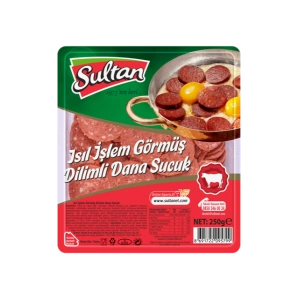
Sucuk is a food that is very popular and widely consumed in our society. This food, which can be eaten at any meal of the day, is occasionally the subject of various discussions. The most important of these concerns raw sucuk. Many people wonder whether raw sucuk can be eaten. In this article, we have tried to answer this frequently researched question.
To answer the question of whether raw sucuk can be eaten correctly, it is first necessary to define sucuk and explain its varieties.
What Is Sucuk?
Sucuk is a food made by filling inflated and dried intestines with minced meat blended with special spices and then fermenting it. Sucuk is a food frequently consumed mainly in Armenia, Bulgaria, and Turkey. It is thought to have come to our tables from Central Asia and is loved by everyone.
Traditional Turkish sucuk, as defined in the TS 1070 Turkish Standard, is made by grinding meat and fat in a meat grinder or cutter until they become a paste. It is then blended with various spices, after which salt and additives are added. The resulting mixture is filled into natural or artificial casings.
The mixture filled into these casings is matured under suitable conditions (at a certain temperature and appropriate relative humidity), and these processes produce sucuk. Sucuk is the form that meat takes after undergoing a series of processes.
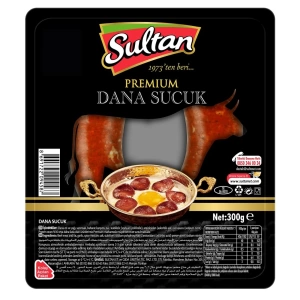
However, there are other issues to consider when answering whether sucuk can be eaten raw. One of these is how the sucuk is produced. Depending on the production method, sucuk is classified in two ways: fermented sucuk and heat-treated sucuk.
What Are Fermented and Heat-Treated Sucuk? What Differences Are There Between Them?
- Fermented sucuk is never subjected to heat treatment; it is left to mature naturally. Heat-treated sucuk, on the other hand, is cooked.
- Fermented sucuk contains slightly more spices by quantity. This is because the spices help cook the meat. Heat-treated sucuk contains fewer spices.
- Fermented sucuk takes much longer to produce, whereas heat-treated sucuk is obtained in a shorter time. The cooking process is brief.
- Fermented sucuk relies on bacteria and microorganisms, while heat-treated sucuk relies on heat.
- Fermented sucuk is more expensive. Heat-treated sucuk is much more economical.
- Producing fermented sucuk requires more equipment, and separate areas must be allocated for the specified stages to take place. Heat-treated sucuk can also be produced by smaller businesses.
- Fermented sucuk has a stronger flavor, whereas heat-treated sucuk has a milder flavor.
- Fermented sucuk is cooked more carefully, while heat-treated sucuk is merely heated.
As can be seen, sucuk goes through various stages during production. Regardless of whether it has been matured or heat-treated, eating sucuk raw can cause numerous health problems.
This food, which can frequently be consumed at every meal throughout the day, especially at breakfast, is enjoyed not only in our country but also in many regions. In addition to being consumed in the Balkans, sucuk is an important food source in Central Asian and Middle Eastern countries and is also very popular and frequently consumed in Bulgaria. In fact, raw sucuk is sliced and served as an appetizer alongside rakı. Nevertheless, doctors do not recommend eating raw sucuk and warn about its potential harm.
The Harms of Eating Raw Sucuk
- Eating raw sucuk may cause intestinal worms. Disorders occurring in the intestines may pave the way for other permanent diseases or impair intestinal permeability.
- Eating raw sucuk can seriously harm the stomach. Consuming sucuk raw may cause discomfort such as stomach cramps and burning. Regularly consuming sucuk raw may lead to stomach ulcers.
- Eating raw sucuk may also cause various skin problems.
- Raw sucuk may cause eczema.
- Internal bleeding may occur as a result of consuming raw sucuk, which is a very serious condition. Uncooked meat entering the body may cause infection.
When sucuk is cooked properly, it is a highly beneficial food and has positive effects on our health. Therefore, sucuk should not be consumed raw; it should be cooked before consumption. Although sucuk matures as a result of fermentation, it is still advisable to avoid eating it raw.
So, What Are the Benefits and Harms of Sucuk?
What Are the Benefits of Sucuk?
Sucuk is generally used grilled, with eggs, in toast and sandwiches, or in snacks such as pizza. It is also added to kuru fasulye, a traditional bean dish, to enhance its flavor and is enjoyed by many.
So, what are the benefits of sucuk, which is loved by society and is a sought-after food on our tables?
Sucuk is a fermented food product. Therefore, it should be considered among the foods whose benefits are associated with fermentation. Researchers have demonstrated over time that consuming fermented products has numerous health benefits. A strong immune system means that our health will also be protected. A weakened immune system invites many diseases and paves the way for chronic conditions. It is known that the immune system depends on the intestinal flora by approximately 70–80%. Fermented foods increase beneficial bacteria in our digestive system and consequently strengthen our immune system.
Consuming fermented foods helps maintain a balance of beneficial bacteria in the intestinal flora and largely protects the body against diseases. For this reason, doctors often recommend consuming fermented foods, particularly in the case of many illnesses.
Fermented foods also help increase the natural probiotics in our digestive system. The benefits of probiotics for human health include:
- Probiotics are very important for intestinal health.
- They strengthen the immune system.
- They increase the bioavailability of nutrients obtained from food.
- They increase the bioavailability of nutrients obtained from food.
- Symptoms of lactose intolerance are less common.
- They help protect against the development and spread of cancer.
The general benefits of fermented foods include:
- They improve and protect digestion.
- They have a protective effect against cancer.
- They help protect against Helicobacter pylori infection.
- They increase the nutritional value obtained from foods.
- They facilitate the digestion of lactose.
- They prevent fatty liver disease.
- They help treat inflammatory bowel diseases.
- They protect intestinal health.
Sucuk has always been a food enjoyed throughout history. It holds an undeniably important place in our cuisine. In addition to being delicious, easy to consume, and enhancing the quality of our meals, it also offers numerous health benefits.
- It is dried using natural methods and therefore contains all the benefits resulting from fermentation.
- It helps protect intestinal health.
- The spices it contains are also beneficial for the immune system.
- Vitamins A, B, B6, B12, E, D, and C are beneficial for our bodies.
- It supports brain functions.
- It keeps the body mentally and physically fit.
- It supports hair health.
- It supports cell renewal.
- It protects against diseases.
- It enhances the benefits of meat.
- It facilitates the intake of beneficial probiotics for the body.
What Are the Harms of Sucuk?
When processed foods are consumed frequently, they can have harmful effects on the body. Sucuk is ultimately a processed food. However, when consumed in moderation, sucuk has no known harmful effects on health. If you do not have a specific condition that requires you to avoid sucuk and do not suffer from cholesterol or blood pressure problems, you can consume this food with peace of mind and benefit from its numerous advantages. Nevertheless, it is best not to consume sucuk raw!